
A new PM won't fix the mood
22 Jun 2026
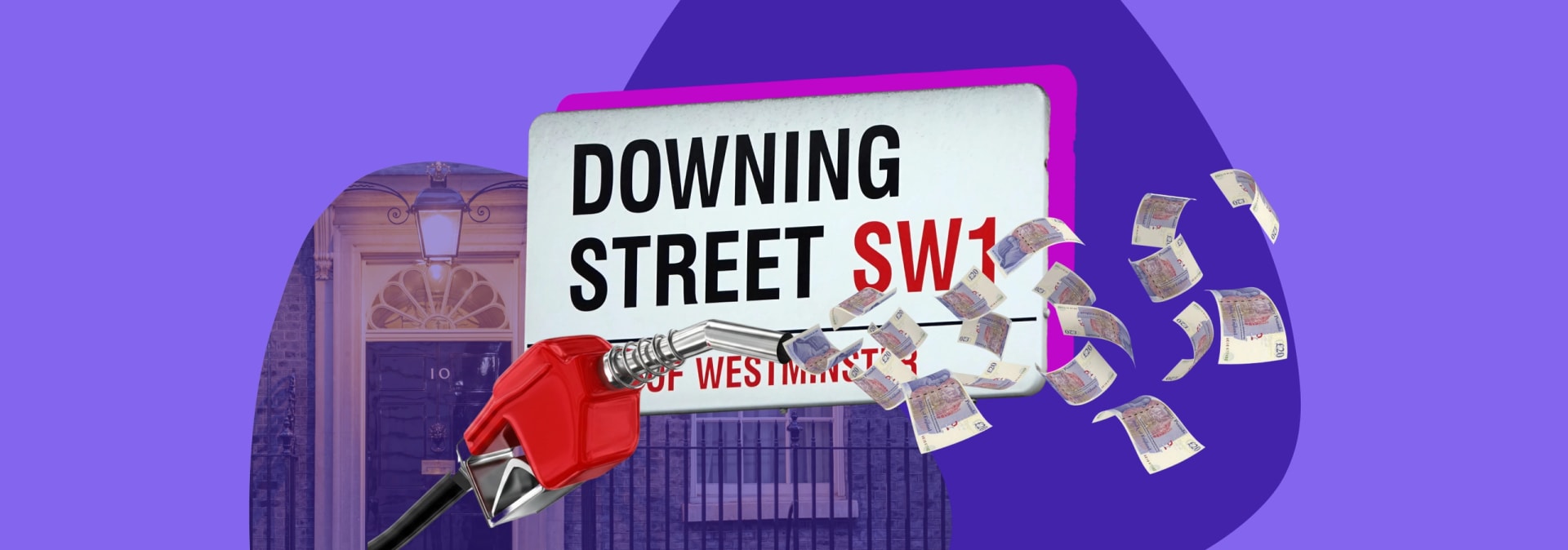
On the day Keir Starmer became Prime Minister, consumer optimism hit 36%. Across six years of our tracking, only one other moment came close – England's so-called Freedom Day, when the final Covid restrictions were lifted.
We weren't cheering for him, exactly. We were drawn to his promise of change – conspicuously light on detail – and to the feeling that something, finally, might get better.
Within a month, riots hit our streets. From there, hope didn't crash – it eroded, quietly, week by week, over the next 20 months. Then, on 28 February, the Iran war began, and the gentle slide turned into something colder: a country learning to look away. We watch from the corner of our eye because looking straight at it feels depressing, and talking about it feels worse. These days, even agreement can turn into an argument.
Whoever takes the role inherits all of it – wars, volatile leaders, tech giants we fear have no moral compass, AI coming for jobs, house prices stranded miles out of reach. And while Burnham has an energy Starmer never had – warmer, less monotonous, less trapped in the brief – he's no more trusted to restore economic prosperity. That's the missing foundation – the thing that sits at the heart of any future UK steady enough to plan a life around.
Here's the part that should interest anyone who carries a growth target. The hunger for a better life isn't Westminster's to satisfy alone – in fact, the things that touch us every day are mostly nothing to do with government at all. They're the brands we bank with, shop with, travel with. That gives brands real power now – to restore agency, progress and momentum, and make the gap between the life people have and the life they feel owed start to close.
The public has tuned out. Join us on 2 July at 11am to see how we think the smartest brands tune back in – and grow customer affection when the backdrop has never been harder.
More articles
 The unsaid
Can't work our way out?
08 Jun 2026For years the deal was simple: things get tight, you knuckle down, you earn more. That deal has expired.
 The contrarian
Compare and carry on
01 May 2026Millions visit comparison sites every year, most of them come home to the deal they already had.
 The twist
Underdressed and unbothered
16 Apr 2026Nobody ever panic-bought an outfit for a Tuesday on the sofa. Fashion stores, dress accordingly.