
Organic lost to clarity, not price
05 Jun 2026
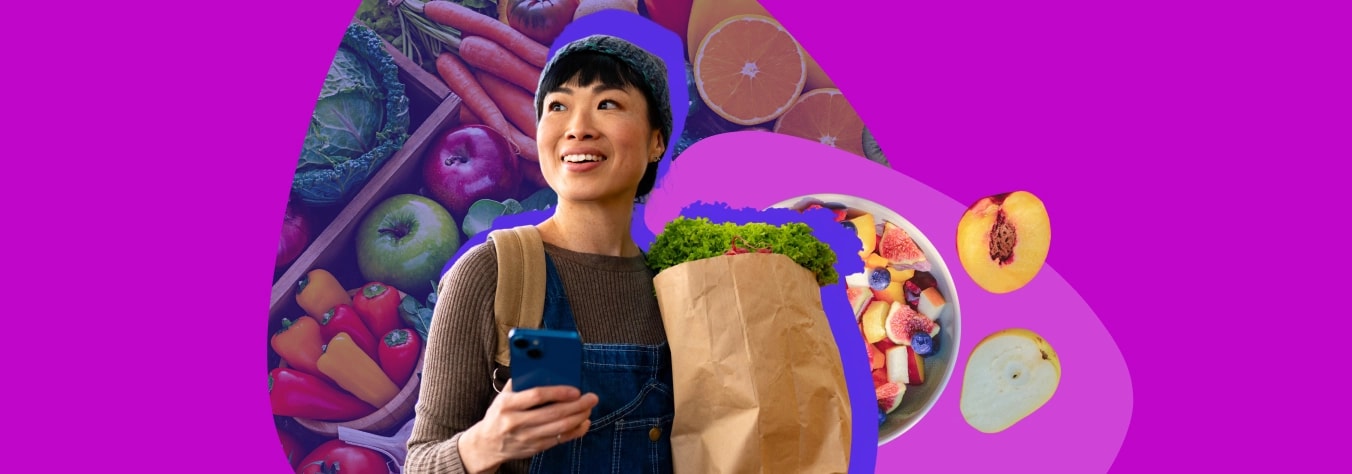
We're researching our health harder than ever, organic is the one claim that got cloudier.
Ask the organic category why it's slipping and you get the same answer every time. It's the premium, people can't afford it. Let me tell you, money is only half the reason.
Here's what's actually going on. We're paying more attention to our health – one in five of us researched it in the past week, up from fewer than one in six a few years back. We're reading the back of the pack, thinking about ingredients and worrying about UPF. So you'd expect organic, to be cleaning up. But no – people’s perceptions of the ebenfit of organics is pretty much where they were three years ago. We’re open minded, seeking insights, trying harder – and understanding it no better.
And while organic stood still, the rest of our baskets got specific. High fibre, high protein, no added sugar, nothing artificial: every one of them now beats organic on being trusted as healthy. They all finishes the sentence in a way organic never quite manages. High protein keeps you full. Organic is good for you because... ?!
Organic is good for you because... ?!
Which is why a price cut won't fix it. Run down the reasons people buy less and "no clear difference" and "unclear meaning" are sitting right there alongside cost. Knock the price off something nobody can explain and all you've done is make the confusion cheaper.
Organic needs a shareable storyline, one benefit a knackered shopper can shortcut when stood in front of it. Get that and the premium feels fair. Miss it, and organic carries on exactly as it is now: admired, trusted, and left on the shelf.
More articles
 The unsaid
Scraped together, the new from scratch
05 Jun 2026Not missing meals, we're just not quite having one either.
 The contrarian
Borrowed growth
22 Apr 2026Online grocery just posted its best quarter in four years. The customer driving it doesn't love you, doesn't plan to stay, and would rather be browsing the aisles.
-1-1280x446.webp&w=1920&q=90) The unsaid
The unsaidMaking their own weather
24 Jul 2026Confidence is rising. Trust in government isn't. Britain's optimism comes from people adapting, not believing.